
Claire Turner EFT

  • Home
  • About
  • Free Resources
    • Podcasts + Interviews
  • Blog
  • Contact
  • Log In

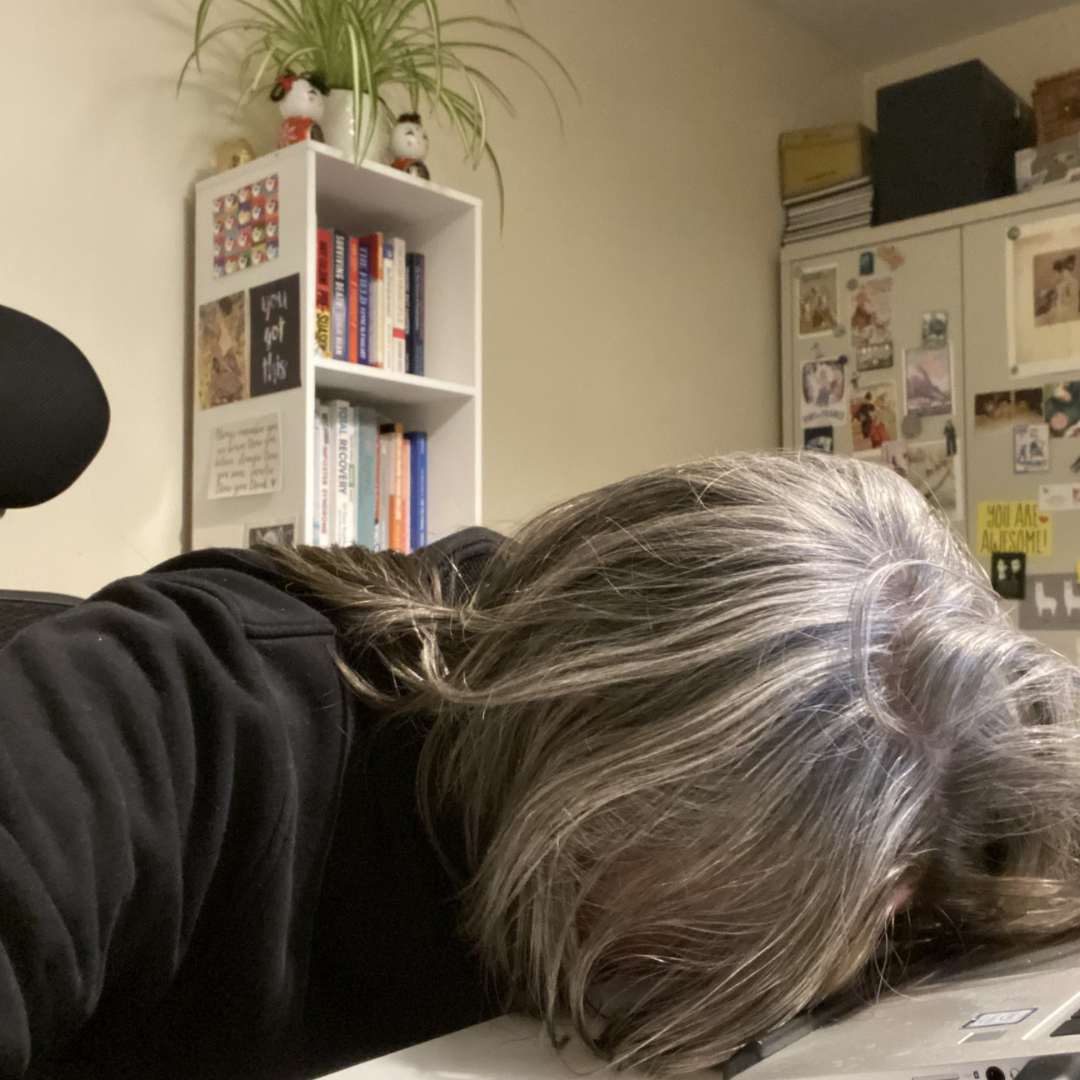
The Dark Side of “I Am Wrong”

March 5, 2026 By Claire Turner

Ever notice how one small thing going wrong in your business can suddenly feel…personal?

A post flops.
A launch doesn’t sell.
Someone questions your work.

And before you know it your brain isn’t thinking:

“Ah, that didn’t work.”

It’s thinking:

“There’s something wrong with me.”

That belief runs deeper — and darker — than most people realise.

Because the mind doesn’t just interpret events.

It interprets what those events mean about you.

And one of the most destructive meanings we attach is this:

“I am wrong.”

Not “I did something wrong.”
Not “that didn’t work.”

Just…

I am wrong.

Once that belief is in place, the mind tends to deal with it in two very different ways.

The First Response: Compensation

If the mind believes “I am wrong” but still thinks that might be fixable, it compensates.

This is where you start to see patterns like:

  • People pleasing

  • Over-delivering

  • Perfectionism

  • Overthinking every decision

The internal logic goes something like this:

“If I work harder…”
“If I get it right this time…”
“If people approve of me…”

…maybe I can prove I’m not wrong after all.

So the person pushes.

They try to earn their place.

They try to prove themselves.

It’s exhausting, but they’re still in the game.

They’re still trying.

When the Belief Hardens

Over time, something can shift.

The belief stops being something you think, and becomes something you are.

“I am wrong.”

Not as an idea.

As an identity.

And when that happens, the behaviour changes completely.

Because if you are wrong…what exactly are you trying to fix?

You can improve behaviour.

But behaviour doesn’t resolve identity.

So the mind does something very human.

It aligns behaviour with the identity.

Not consciously.

But inevitably.

The Darker Turn

Once someone believes they are wrong as a person, the logic becomes:

“If I’m wrong anyway…what’s the point?”

And this is where things can take a darker turn.

Instead of overcompensating, people often start to lean into it.

They pull back from opportunities.

They hesitate just as things start working.

They sabotage momentum.

They let their business drift instead of really going for it.

Not because they’re lazy.

Not because they lack discipline.

But because the nervous system is trying to keep the world coherent.

If the identity is “I’m wrong”…

…then success becomes threatening.

Because success would contradict the identity.

And identity always wins.

Why Some People Keep Pushing…And Others Stop

This is why you’ll see two very different responses to the same belief.

Some people push themselves relentlessly.

Others quietly stop trying.

Very often they both started with the same belief:

“I am wrong.”

One person compensates.

The other eventually collapses into it.

Neither response is actually based on truth.

The Question That Changes Everything

Let’s slow down for a moment.

Is it actually true that you are wrong?

Not that you’ve made mistakes.

Everyone has.

But that you, as a human being, are fundamentally wrong?

You won’t find that written anywhere in your body.

It’s not in your DNA.

It’s not stamped on your nervous system.

It’s a story the mind learned to tell.

A story that once made sense to a younger version of you.

But a story nonetheless.

What Happens When the Story Starts to Dissolve

When the belief loosens — even slightly — something shifts.

You don’t need to spend your life compensating.

And you don’t need to give up either.

You just get to be human.

Which means sometimes you’ll get things wrong.

But you won’t be.

A Moment From a Client Session

One of my clients recently dissolved this belief during a session.

Her exact words were:

“This is like a natural high going on right here… I’m buzzing my tits off!”

Which, frankly, I think deserves to go on a T-shirt!

If this article hit a nerve, it’s probably because the pattern isn’t theoretical.

It’s something you’ve felt.

The good news?

Beliefs that were learned can also be dissolved.

And when they are, the shift can feel…well…

Like a natural high.

Claire x

Tapping Into Your Personal Power
Filed Under: Blog Tagged With: business growth, businessowner, failure, self sabotage

Why Making a “Sensible” Decision Can Feel So Heavy

February 12, 2026 By Claire Turner

Why making a sensible decision feels heavy

Here’s the thing nobody talks about when they’re “just trying to make a sensible decision.”

It’s rarely about the decision.

On a recent 1:1 call, a client came to me torn between two career paths.

On paper it looked practical. Employed role…or entrepreneurship.

But tangled up inside that were finances, parental expectations, health, partner dynamics, location.

All very intelligent.
Very responsible.
Very sensible.

And completely paralysing.

Because the “right” decision had to be made.

Within twenty minutes, it was clear this wasn’t about jobs.

It was about this:

“If I do better, faster, easier than my parents…am I a bad daughter?”

Not consciously.

Consciously she was strategic. Thoughtful. Analytical.

Unconsciously? Loyal.

They struggled.
They worked hard.
They earned it the “right” way.

So who is she to skip ahead?

And if she does…does that make her ungrateful? Disloyal? Arrogant?

But we didn’t stop there.

I challenged the part of her that kept looking at me for validation.

“Can you tell me which option is better?”

No.

Because the moment I validate her decision, I reinforce the belief that she isn’t the authority in her own life.

But the real blind spot was the rule she didn’t know she was living by:

If I grow beyond them, I lose them.

We questioned the safety narrative too.

She kept saying, “I just need to feel safe first.”

Safe from what?

From upsetting people.
From being seen as selfish.
From out-earning her parents.
From being “too much”.

Her nervous system had wired success to loss of love.

If I get bigger, I will upset people.
If I upset people, I will lose love.
If I lose love, I am not safe.

That’s not business strategy.

That’s survival coding.

We also dismantled the financial assumption running quietly in the background:

That struggle equals virtue.
That ease equals cheating.
That earning quickly is morally suspicious.

And we exposed the emotional responsibility pattern – the belief that her actions directly control how other people feel.

If I choose differently, I am letting them down.

No.

Other people choose how they respond.

But when you’ve built your identity around being the good one…it doesn’t feel that way.

This is what 1:1 does that DIY courses, podcasts and Instagram advice can’t reach.

Because your blind spot feels like logic when you’re inside it.

You don’t need more information.

You need someone who can see the pattern you’re organised around and name it.

Not manage it.
Not soothe it.
Name it.

By the end of the call she wasn’t “fixed”.

She was no longer outsourcing her authority.

She stopped asking me what she should do.

She decided.

Calmly.
Clearly.
Without needing permission.

That’s the difference.

If you’re overthinking something that should be simple…

If you keep circling decisions you already know the answer to…

If you’re waiting to feel safe enough before you expand…

It’s probably not about the decision.

It’s about the identity you’re unconsciously protecting.

And most people don’t realise they’re still living by rules they never consciously agreed to.

Cheers

Claire x

Tapping Into Your Personal Power

Filed Under: Blog Tagged With: business growth, decision making, emotional responsibility, fear of success, identity work, money mindset, nervous system, overthinking, self sabotage, self-trust

Copyright © 2026 Claire Turner EFT | Privacy Policy | Cookies Policy | Terms of Use

Website by Internet Power LLP

MENU
  • Home
  • About
  • Free Resources
    • Podcasts + Interviews
  • Blog
  • Contact
  • Log In